by Connie

Remember when we used to say something was “for the birds,” meaning it was less than desirable? Well, I’m hereby making that term mean something good. What’s “for the birds” these days are native plants, the now-known-to-be best garden choice for benefiting birds everywhere.
You may have heard the news last year that since 1970, 3 billion birds have been lost, or expressed another way, are no longer in the world where they should be. This is a result of human expansion, hazards such as wind turbines and building windows, pesticides, nighttime lighting, loss of habitat, warming temperatures that have changed the food web, and, yes, cats.
Migratory birds—song birds—have seen some of the most dramatic declines. It has become clear that the “garden variety” plants that we have been selecting at our local big-box stores are not the best choices for attracting and nourishing the birds, bees, and butterflies in our gardens. In fact, some of them come having already been treated with neonicotinides—pesticides—that have a deleterious effect on not only the pollinators but also birds through their pollen and seeds.
But it has also become clear that there is something you can do to stop and actually turn that situation around and that is to put native plants in your garden, your yard, around your home. Native plants are ones that were found in any location prior to European colonization. Native plants are the foundation of a region’s biodiversity. Native plants provide essential food sources and shelter for birds, and they offer what is needed to protect birds from the harms of our changing climate.
Native plants are adapted to local precipitation and soil conditions. They generally require less upkeep and nurture, thereby giving the gardener a break as well as saving water and helping the environment. The result is time, natural resources, and money saved and a beneficial environment installed.
Central to their benefit to birds is the fact that native plants also attract the insects that are exactly what birds need to feed themselves, and critically, their young. Far from wanting to get rid of the insects and their offspring on native plants, you will be providing the habitat they both need to succeed together.
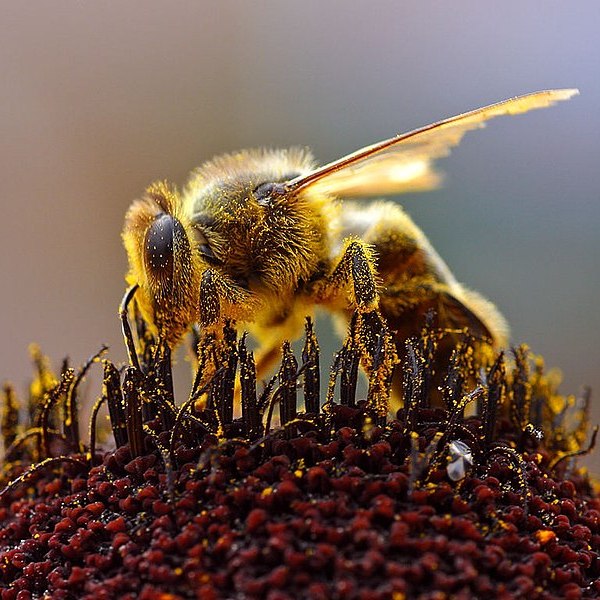
And let’s not forget the bees! It is exciting to note that in San Diego County there are more than 600 species of bees! You wouldn’t believe the sizes, colorations, and faces they come with, and they are vital to the environment that is needed for birds and butterflies to thrive. To see a sampling check out this site: https://sdnativebees.tumblr.com/page/2
The key to getting started is picking the right plants for your space, and for that there are several good sources. For instance, the Audubon Society’s experts have carefully identified the best plants for any area and created a database that provides the details about each plant, be it tree, shrub, or ground cover, the conditions in which it does best, the birds it attracts, and the possible vendors from which to acquire it. Here’s where you can find it on the Internet: www.audubon.org/nativeplants
Another excellent site is the California Native Plant Society’s www.gardenplanner.calscape.org There’s also the Xerxes Society’s https://xerces.org/pollinator-conservation/pollinator-friendly-plant-lists specifically for pollinators.
While the data bases give sources where you can purchase the native plants you choose, the San Diego Audubon Society also has a seed “library” from which you may be able to acquire the seeds you need to start your own plants from scratch. Find out more at www.sandiegoaudubon.org
If you would like to see more birds as well as bees and butterflies in the natural environment, to benefit all the flying things that are trying to make a living here in our area, look to native plants as the best way to make that happen. Do it for the birds and the bees and the butterflies. I thank you in advance for doing good for the natural world.
Connie Charles
February 11, 2021
 Magnolia Mobile News