
Letter from Anna:
Hi
When I lived in Palm Desert at a Del Webb community we had a monthly magazine. Wondering if doing an article once a month would be of interest? They used to feature residents who had done interesting things of led an interesting life. Here is an article I wrote for the magazine. And a photo we used. Feel free to use it.
Anna
Snoring and Sleep Apnea by Anna
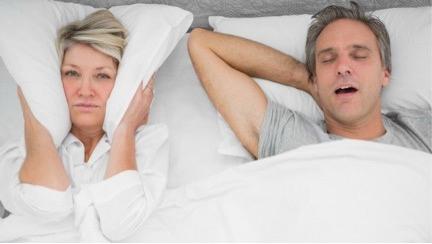
I am woman: hear me snore. Yes, I confess, I am a female and I snore. For the past 15 years, my husband has gently suggested ways to cure my snoring. Could I have sleep apnea? Should I go to the doctor? How bad could my snoring really be? It wasn’t until I read an article that linked snoring to sleep apnea and early dementia that I started paying more attention to my bad habit. After doing some research, I decided to mention this to my doctor.
Through the years, I have tried many different things to help stop snoring: bracelets and teeth appliances you could get online, nose drops, and special pillows. Nasal strips did nothing but cause a rash on my face. For the past couple of years, my husband often went to the spare bedroom to sleep. He said my snoring caused the insomnia he was suffering. That I wrote off as overreacting. But I was beginning to feel sorry for him. Nothing I tried solved my problem.
Then I read an article (on Reuters Health) about a new study that said, “Older people who have sleep apnea, which can be marked by heavy snoring, tend to begin experiencing cognitive decline about 10 years earlier than those without the disorder or those who use a breathing machine to treat their apnea, according to a new U.S. study.” The study adds to growing evidence that obstructive sleep apnea is not only “a severe and serious disease associated with cardiovascular morbidity or mortality, but also brain health and neurocognitive health,” said Dr. Timothy I. Morgenthaler, an expert on sleeprelated breathing disorders at the Mayo Clinic in Rochester, Minnesota.
Now this had my attention. Was my snoring causing sleep apnea and, in turn, were my little memory lapses signaling more than just getting older?
Not everyone who snores has sleep apnea, but 90 percent of persons with sleep apnea snore. Sleep apnea is a serious, potentially life-threatening disorder that affects approximately 18 million Americans. The problem becomes more common in later life and not only for men or the obese. An estimated 53 percent of older men and 26 percent of older women have sleep-disordered breathing.
Sleep apnea refers to episodes in which a person stops breathing for 10 seconds or more during sleep. Every time you stop breathing, the oxygen level in your brain drops. Your brain briefly wakes up in an effort to kick-start breathing, which often resumes with a gasp or a choking sound. This results in fragmented and poor-quality sleep. If you have obstructive sleep apnea, you probably won’t remember these awakenings. Most of the time, you’ll stir just enough to tighten your throat muscles and open your windpipe.
On the next annual visit to my doctor, I casually mentioned my snoring and my husband’s sleeping in the other bedroom. She suggested I take a sleep
study, which determined that I had severe obstructive sleep apnea (OSA) and needed a CPAP (Continuous Positive Airway Pressure) machine. A blower is connected by a tube to a mask that fits over the mouth or nose, supplying air to maintain continuous pressure in the airways to keep them from collapsing. The machine is completely silent, and you wear the mask only when it is time for sleep. It’s not real cute, but my husband doesn’t mind because he is so happy to get more rest.
Other snoring treatments can range from lifestyle alterations – like weight loss, a decrease in alcohol consumption, or changing sleeping positions – to the use of oral devices and nasal strips or even surgery.
If you think you might have sleep apnea, take the accompanying short quiz from Harvard Health Publications.
Sleep Apnea Short Quiz from Harvard Health Publications
Do you have sleep apnea? These questions can help you and your physician figure out if you should be tested for sleep apnea.
1. Do you snore more than three nights a week?
Yes (2 points)
No (0 points)2. Is your snoring loud (can it be heard through a door or wall)?
Yes (2 points)
No (0 points)3. Has anyone ever told you that you briefly stop breathing or gasp when you are asleep?
Never (0 points)
Occasionally (3 points)
Frequently (5 points)4. What is your collar size?
Men: Less than 17 inches (0 points), 17 inches or greater (5 points)
Women: Less than 16 inches (0 points), 16 inches or greater (5 points)5. Have you had high blood pressure, or are you being treated for it?
Yes (2 points)
No (0 points)6. Do you ever doze or fall asleep during the day when you are not busy or active?
Yes (2 points)
No (0 points)7. Do you ever doze or fall asleep during the day when you are driving or stopped at a light?
Yes (2 points)
No (0 points)Interpreting your score:
• 0 to 5: Low probability of sleep apnea. Your sleep problems are more likely to be caused by something other than sleep apnea. Consult your doctor for a diagnosis.
• 6 to 8: It’s uncertain whether you have sleep apnea. You and your doctor should decide the next step based on other pieces of your medical history.
• 9 +: You may have sleep apnea. You are a good candidate for a sleep study and should see your doctor immediately This questionnaire is not intended to replace professional diagnosis.
 Magnolia Mobile News